



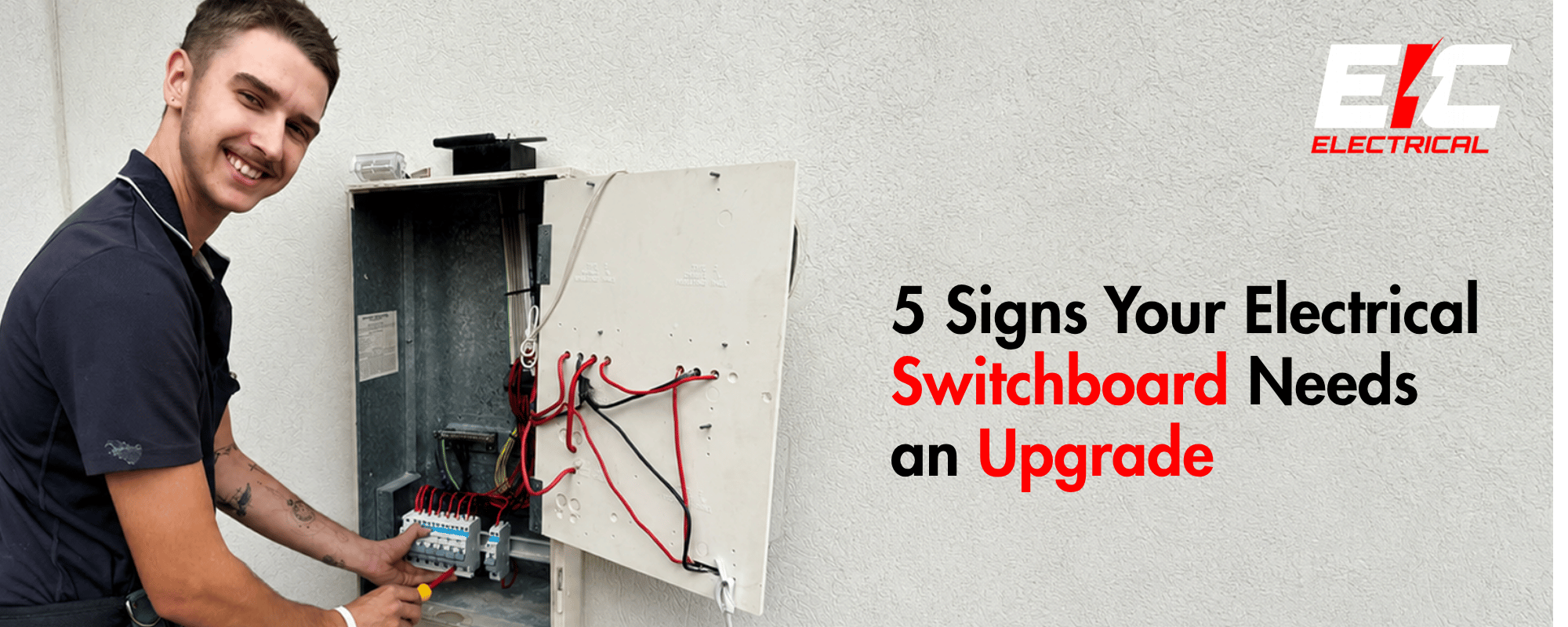
Are you wondering if your home electrical system is still capable of keeping up with modern demands, or if it poses a hidden risk to your family? The short answer is that if your property is more than twenty years old and still relies on original components, your electrical switchboard almost certainly needs an upgrade to handle today’s heavy power loads safely. Every modern property relies heavily on a continuous supply of electricity to function smoothly. From smart televisions and high powered air conditioners to electric vehicle chargers and home office setups, our daily power consumption has surged significantly over the last decade. At the heart of this entire network sits your electrical switchboard. This critical component acts as the control centre for your property, routing electricity safely to every single outlet and appliance.
However, because it remains hidden away in a cupboard or on an external wall, it is often forgotten until something goes wrong. Older homes were simply not designed to handle the sheer volume of electrical current required by modern families. If your system is struggling to keep up, it can result in persistent inconveniences or severe safety hazards. Here are five clear signs that your property requires an electrical switchboard upgrade to keep your home safe and functional.
The most frequent indicator of an overloaded system is a circuit breaker that trips on a regular basis. Circuit breakers are designed as safety mechanisms that automatically shut off the flow of electricity when a circuit draws more current than it can safely handle. If you find yourself walking out to the service box to reset a switch every time you attempt to use the microwave while the kettle is boiling, your system is crying out for help.
When you frequently overload your circuits, it places immense stress on the internal wiring. Relying on an outdated setup means you are constantly pushing your power distribution to its absolute limit. Upgrading your system allows a professional electrician to distribute the electrical load across more individual circuits, ensuring your daily routine is no longer interrupted by sudden blackouts.
Have you ever noticed your overhead lights momentarily dim or flicker when the refrigerator compressor kicks in or when you turn on the washing machine? This phenomenon is not a minor quirk of an older home, but rather a symptom of voltage fluctuations. When high demand appliances start up, they require a sudden surge of power. An ancient electrical switchboard struggles to allocate this power efficiently, causing a temporary drop in voltage across the rest of the house.
This constant fluctuation does more than just annoy you while reading or watching television. Over time, unstable voltage can shorten the lifespan of your expensive electronic devices and sensitive appliances. A modern unit ensures a stable, consistent flow of power throughout the entire premises, protecting your investments from premature failure.
If you open your service box and discover rows of old ceramic fuses wound with thin copper fuse wire, your system is dangerously out of date. Ceramic fuses were the standard many decades ago, but they lack the speed and sophistication required for today’s electrical demands. When an overload occurs with a ceramic fuse, the wire literally melts to break the circuit.
Replacing these blown fuses is not only inconvenient but also introduces human error, as using the incorrect gauge of fuse wire can create an extreme fire hazard. Modern regulations demand the installation of circuit breakers and safety switches which react instantly to electrical faults. An electrical switchboard upgrade replaces these antiquated ceramic fuses with modern protective devices, bringing your property up to current Australian safety standards.
Physical signs of deterioration require immediate professional intervention. If you ever detect a faint smell of burning plastic near your service box, notice dark scorch marks around individual switches, or hear an unusual buzzing or clicking sound, you must act quickly. These symptoms generally point to loose connections, deteriorating insulation, or severe arcing behind the panel.
Arcing occurs when electricity jumps across gaps in damaged wiring, generating extreme heat that can easily ignite surrounding building materials. Electrical fires often start silently behind walls or inside service enclosures before anyone notices the flames. Regular maintenance can catch some issues, but physical damage or thermal degradation is a definitive sign that a complete replacement is necessary to secure the premises.
There is a profound difference between a circuit breaker and a safety switch, though they look similar to the untrained eye. Circuit breakers protect the electrical wiring and appliances from overloading. Safety switches, specifically Residual Current Devices or RCDs, are designed purely to save human lives. They monitor the balance of electrical current and cut the power within milliseconds if they detect electricity leaking to earth, which occurs during an electric shock.
Many older homes only have circuit breakers or fuses, leaving the occupants unprotected against accidental electrocution. Current regulations require RCD protection on all final subcircuits in residential properties. If your current setup lacks these lifesaving devices, scheduling an electrical switchboard upgrade is the single most important step you can take to protect your family and visitors.
When property owners realise their system is inadequate, the primary concern usually revolves around the financial investment required. The electrical switchboard upgrade cost varies depending on several distinct factors, including the size of the property, the number of circuits required, and whether the main service lines or consumer mains need to be replaced to accommodate a higher power capacity.
While the upfront electrical switchboard upgrade cost might seem significant, it is vital to view it as an investment in the safety, compliance, and future value of your property. Attempting to delay a necessary replacement can result in much higher costs later down the track due to emergency repairs, damaged appliances, or devastating fire damage. Furthermore, insurance companies may penalise policyholders or refuse claims if a fire is traced back to a known, uncertified electrical fault in an outdated system.